Our home town
Huaraz — destination for mountains and culture
This is the city we come home to between expeditions: a mecca for outdoor adventure and the recognised base for trekking, hiking and climbing in Peru. It is also the place to slow down, acclimatise and let the mountains do the talking.
3,090m above sea level
Base for the Cordillera Blanca
Where we acclimatise
City altitude
North of Lima
People who live here
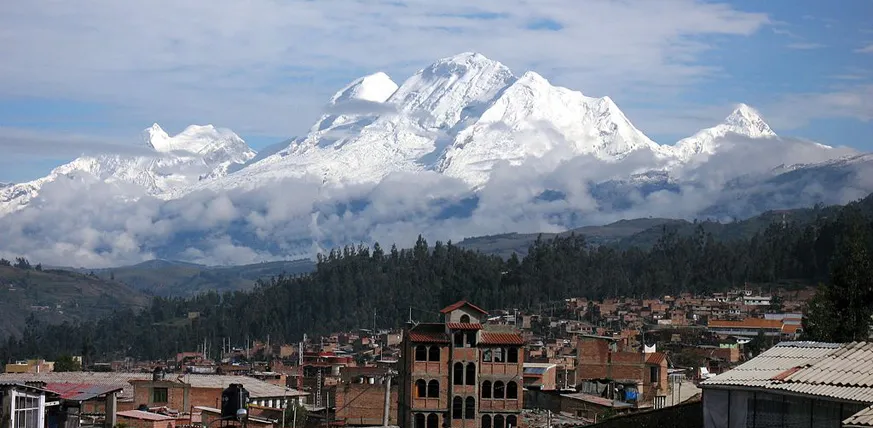
Huascarán, Peru's highest
A city held between two cordilleras
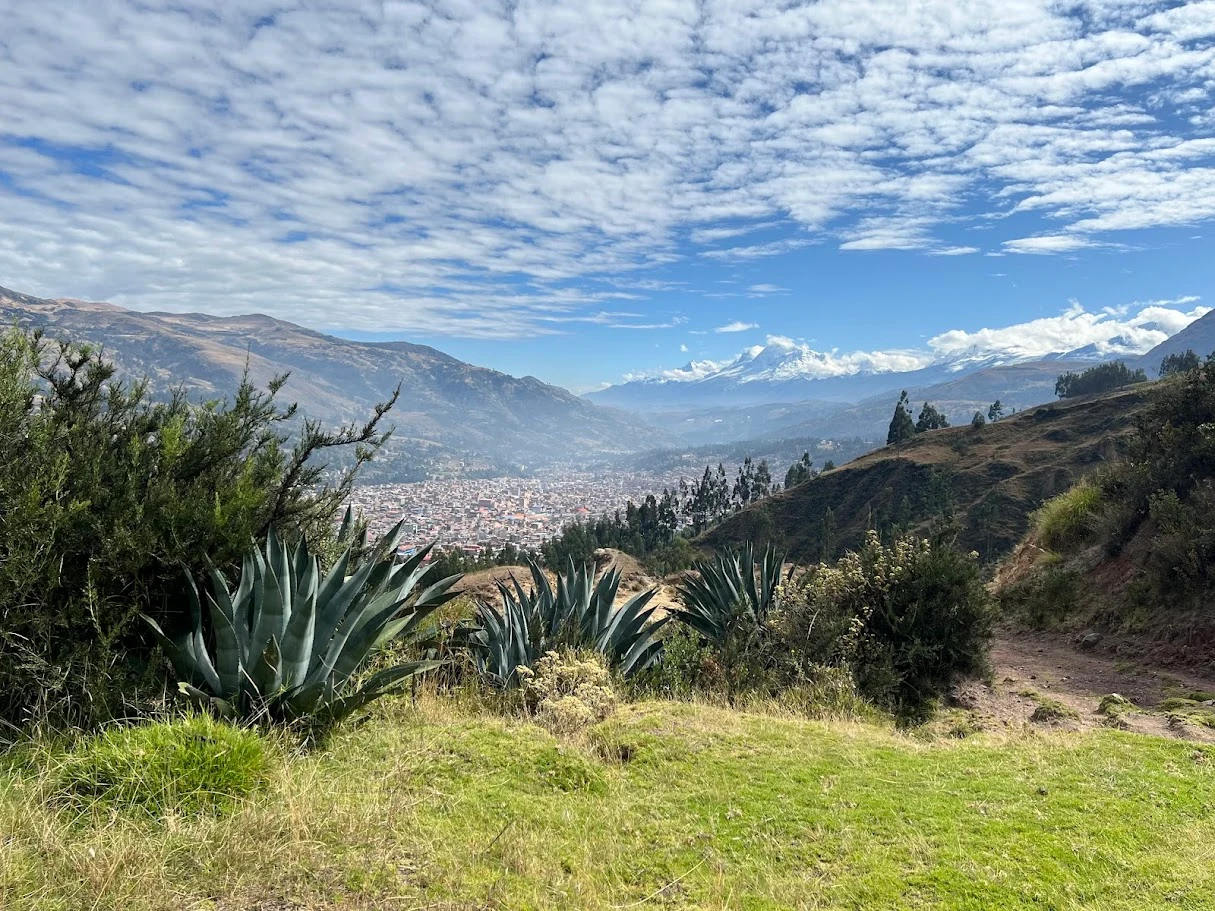
Huaraz is located in the Callejón de Huaylas, a valley framed by two mountain ranges: the arid Cordillera Negra, long known as the granary of Áncash and the glacier-capped peaks of the Cordillera Blanca.
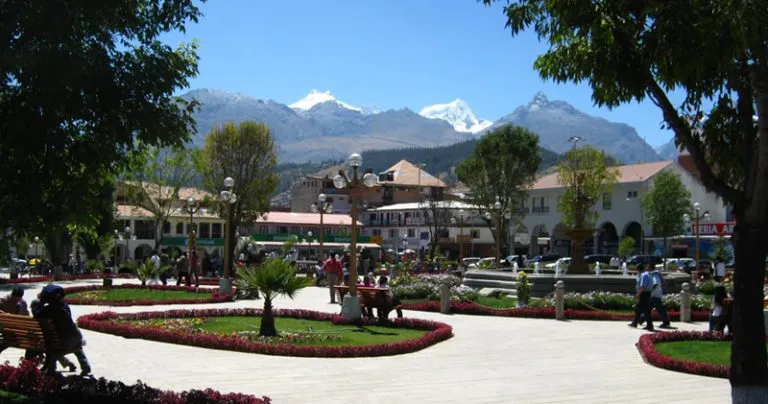
Towering over everything is Huascarán, the highest mountain in Peru, with an elevation of 6,768 meters. a presence that can be seen from any town square in the city.
It is the capital of the Áncash region, about 400km north of Lima at 3,090m. A lively, friendly city of around 150,000 people, with colourful markets, cafés, hotels, restaurants, museums, archaeological sites, local crafts and natural hot springs.
The city and its people have endured terrible natural disasters: a massive 1941 avalanche off Palcaraju that flooded the city with ice and rock, and the 1970 earthquake and avalanche off Huascarán that levelled Huaraz and buried neighbouring Yungay, costing more than 20,000 lives. They rebuilt, and they carry a spirit you see in every smile.
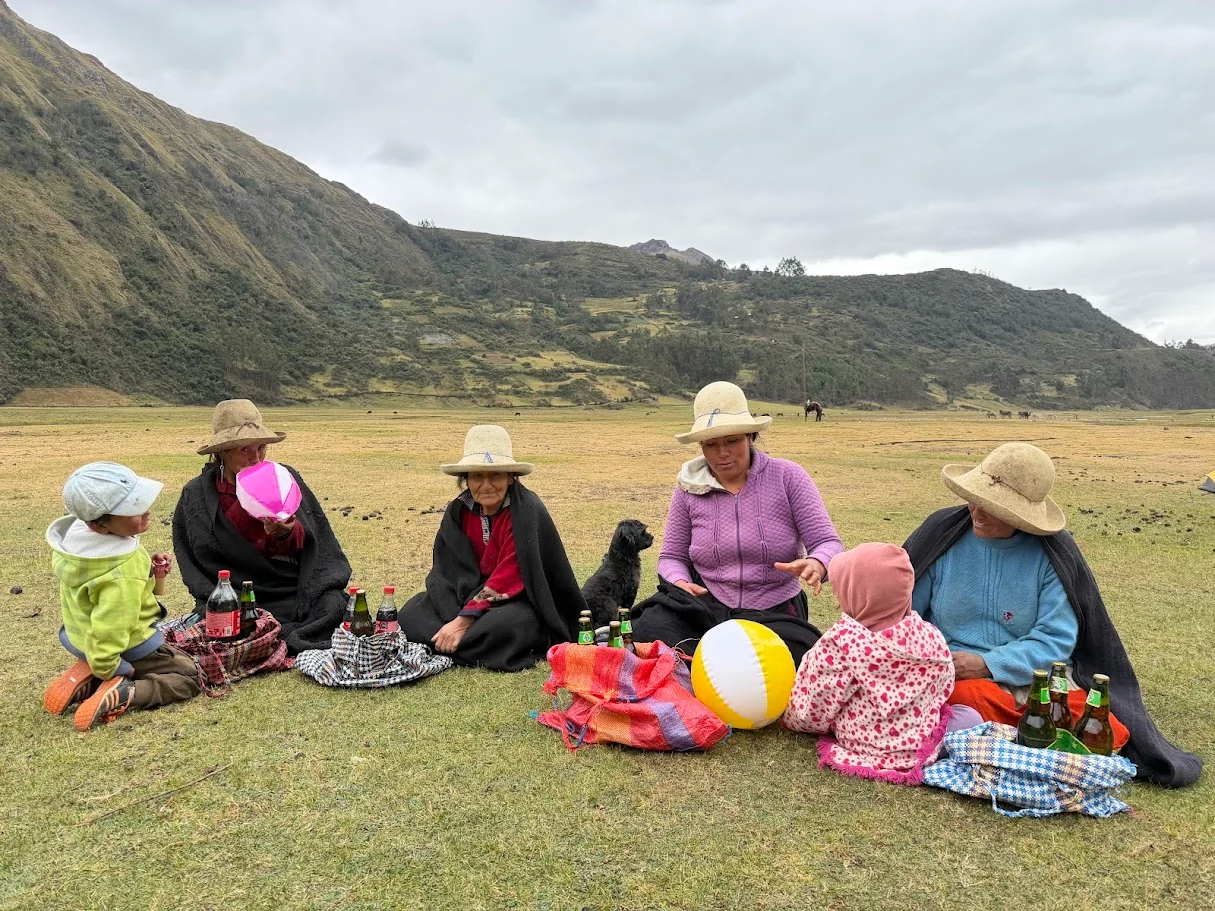
Take it slow — your body will thank you
Huaraz is far calmer than the busier tourist circuits elsewhere in Peru, and that is exactly what your first days at altitude need. It is the perfect place to escape the rush, settle into the local culture and let your body adjust before you head higher.
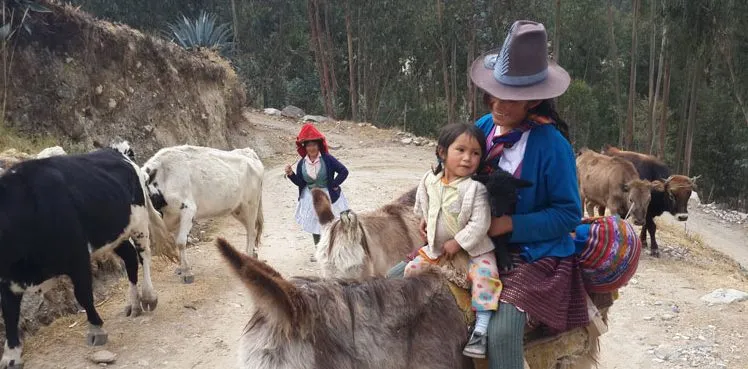
It is also easier on the wallet and relatively safer than some of Peru's more publicised areas. You can wander the shops and street craft stalls without being pushed to buy — local people are warm and helpful, never pushy.
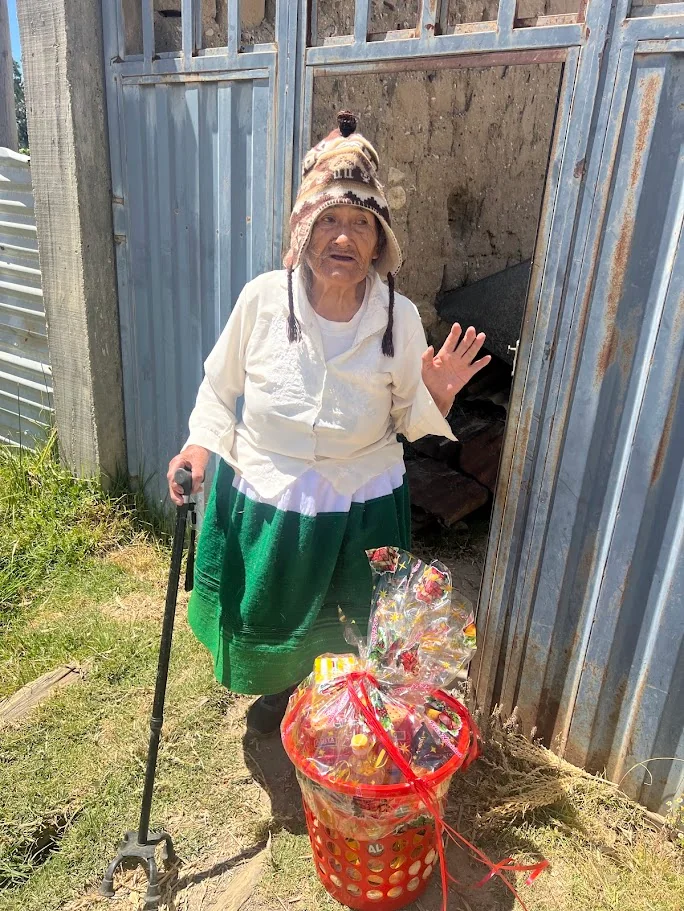
Big Andean smiles
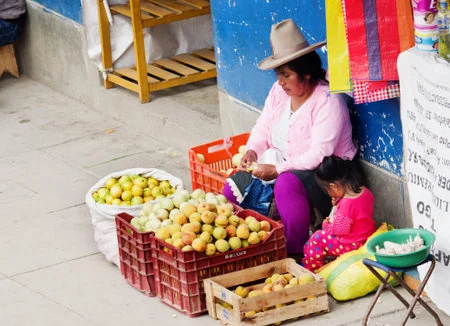
Life in the market
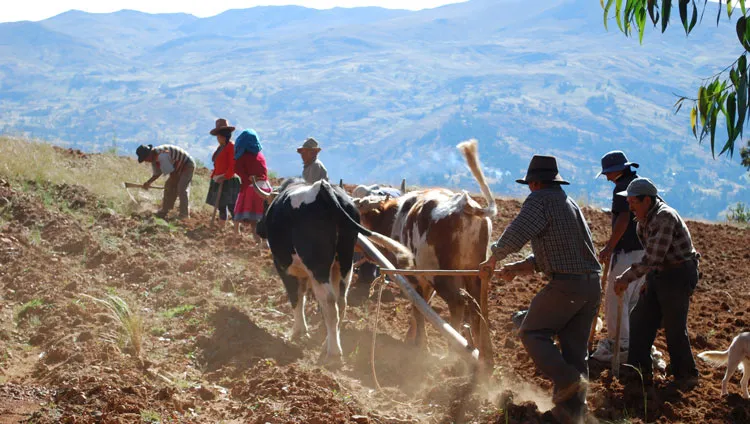
Working the land
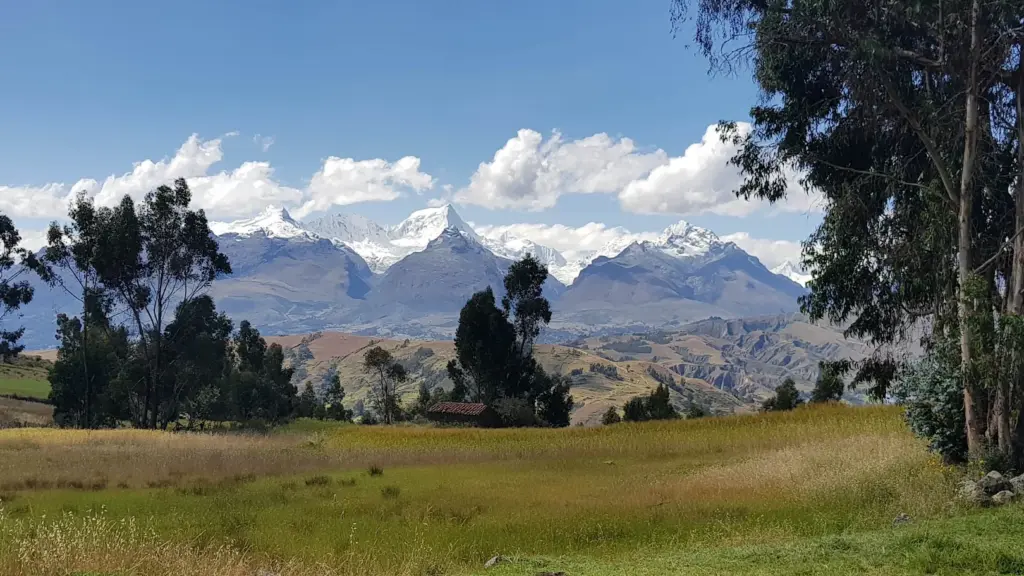
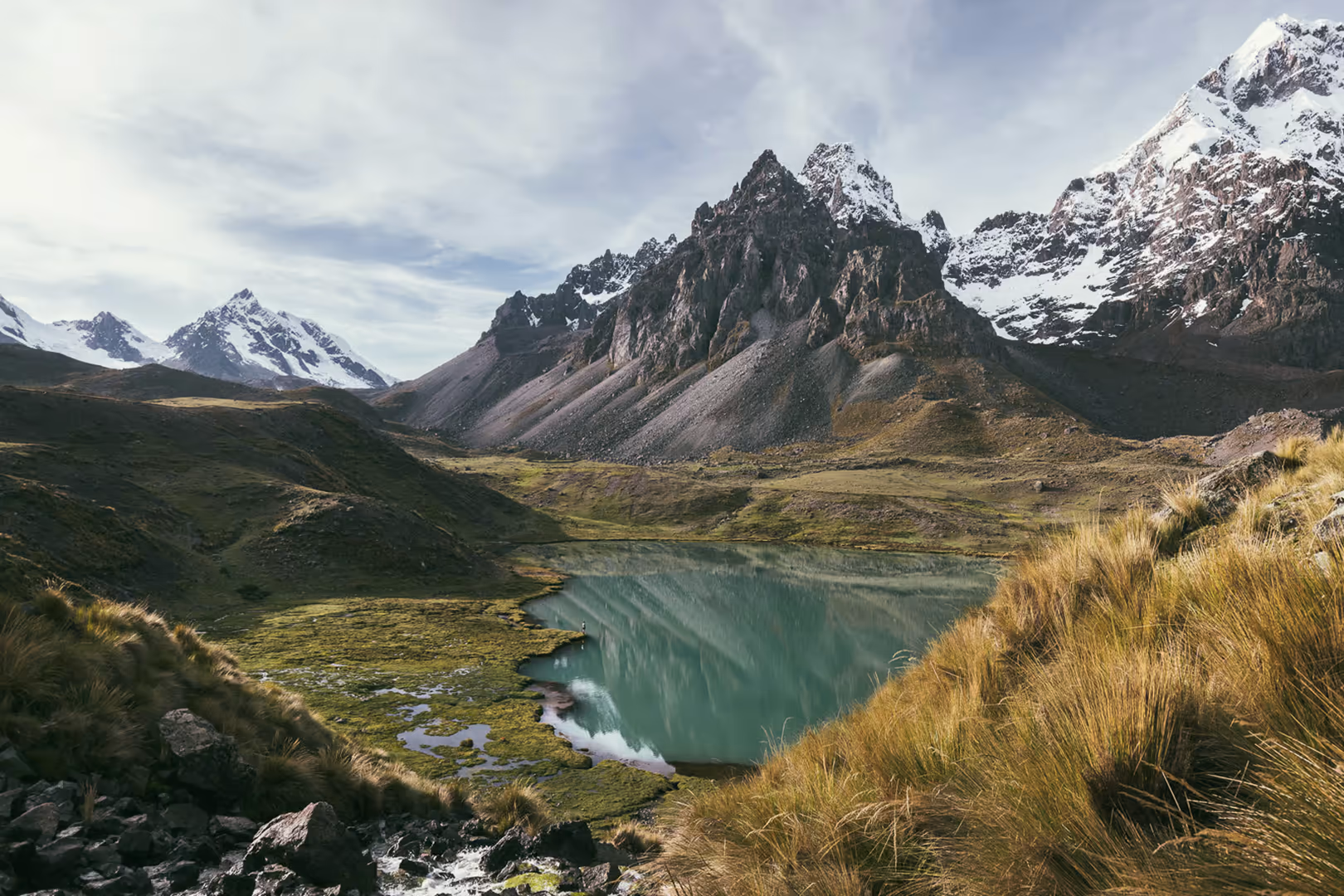
Views from the valley
Huaraz has it all
Fill your first days with gentle day tours, short hikes and pre-Inca sites, then wind down over an afternoon in the sun in one of the plazas.
Cafés, restaurants and sunny plazas
Local markets and craft fairs
Festivals, music and nightlife
What people get wrong about Huaraz
The glaciers Hisao has watched go
Hisao has guided in the mountains around Huaraz since 1986, and in the last twenty years he has watched them change more than in all the years before. Peaks that were white from top to bottom now lose ice fast. In the 1990s and 2000s a glacier retreated two or three metres a year at most, and in recent years he finds ten to fifteen metres gone each time he goes back. Even the 5,000-metre peaks now have sections of rock, ice and snow, with more crevasses and unstable seracs, and many of them are bare rock.
In the Cordillera Huayhuash, he reckons Jirishanca, Rondoy and Ninashanca have lost more than half their ice. On Pastoruri, where ski races were once held, visitors can no longer go near the snow; you can still see what is left of it on our Puya Raimondi and Pastoruri day tour. Above 4,900 metres, he says, there has not been enough snowfall in a decade to replace what melts. His advice to anyone thinking of coming is to see these mountains now. He told us this in November 2026.
Plan it with us
Make Huaraz your basecamp
Tell our team in Huaraz how much time you have and what you would love to do, and we will build days around your acclimatisation — from cultural day trips to the first steps of a longer trek or climb.