Very Hard
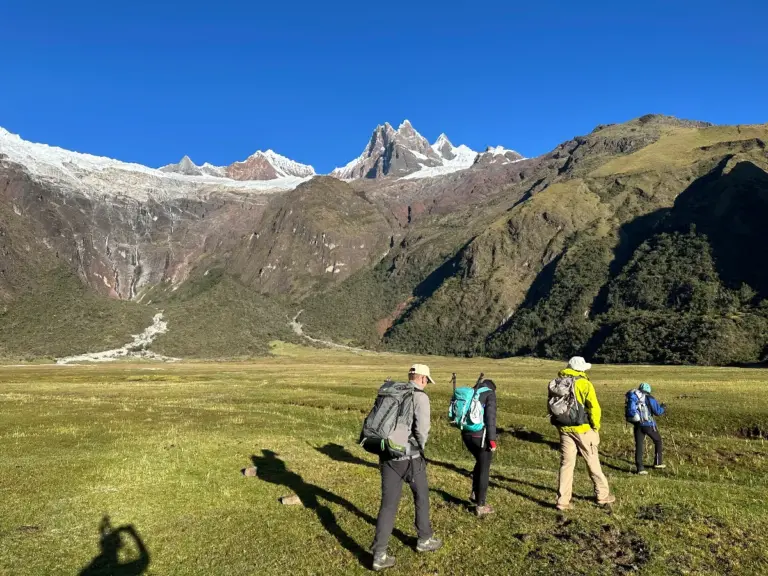
Alpamayo Base Camp Trek: Vaquería to Hualcayán — 8 Days
Duration
8 Days trekkingBest Season
May - SeptWalk through the world’s highest tropical mountain range — turquoise lakes, glaciated passes and snow peaks above 6,000 metres. Small groups, UIAGM guides and treks we can tailor-make to suit exactly what you would like to do.
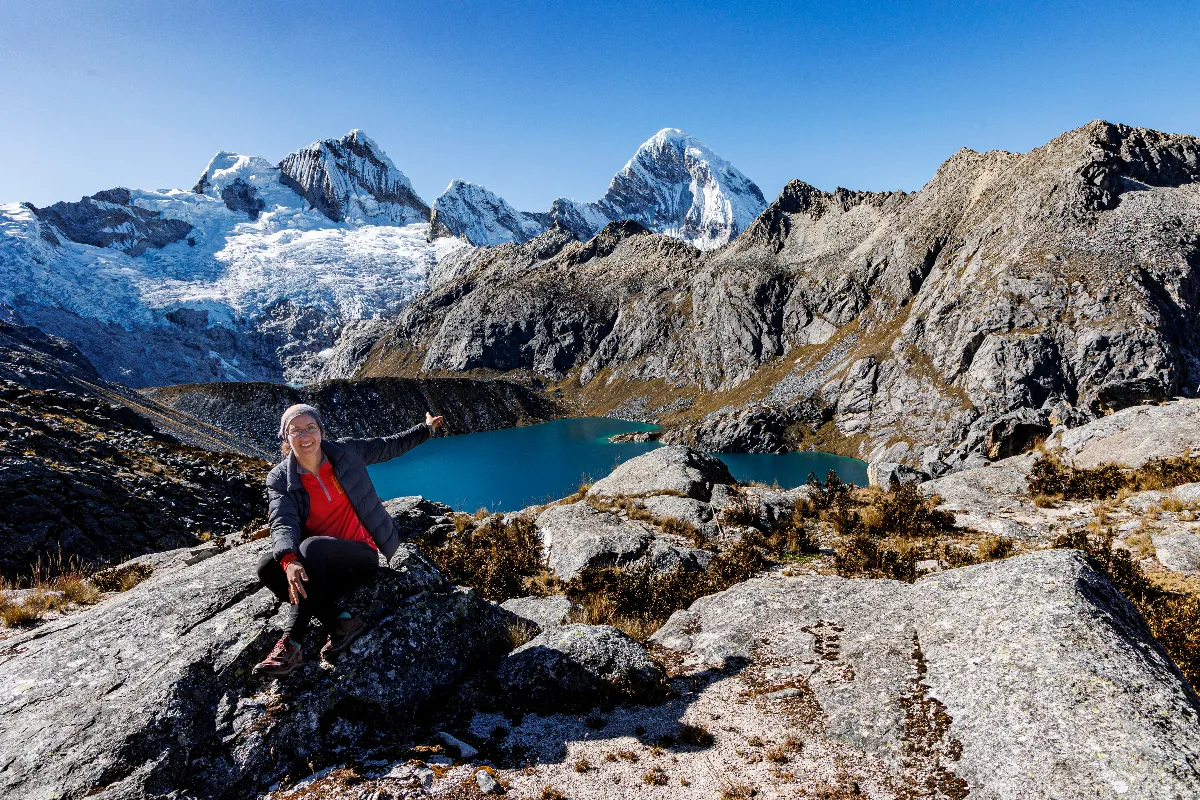
Above 6,000 metres
Highest pass crossed
Certified service
Trek options
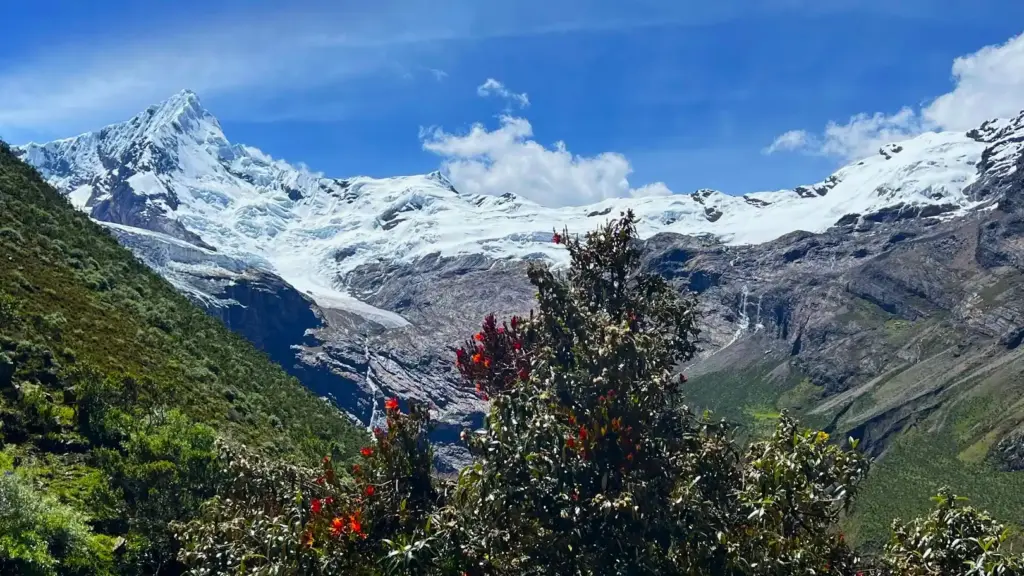
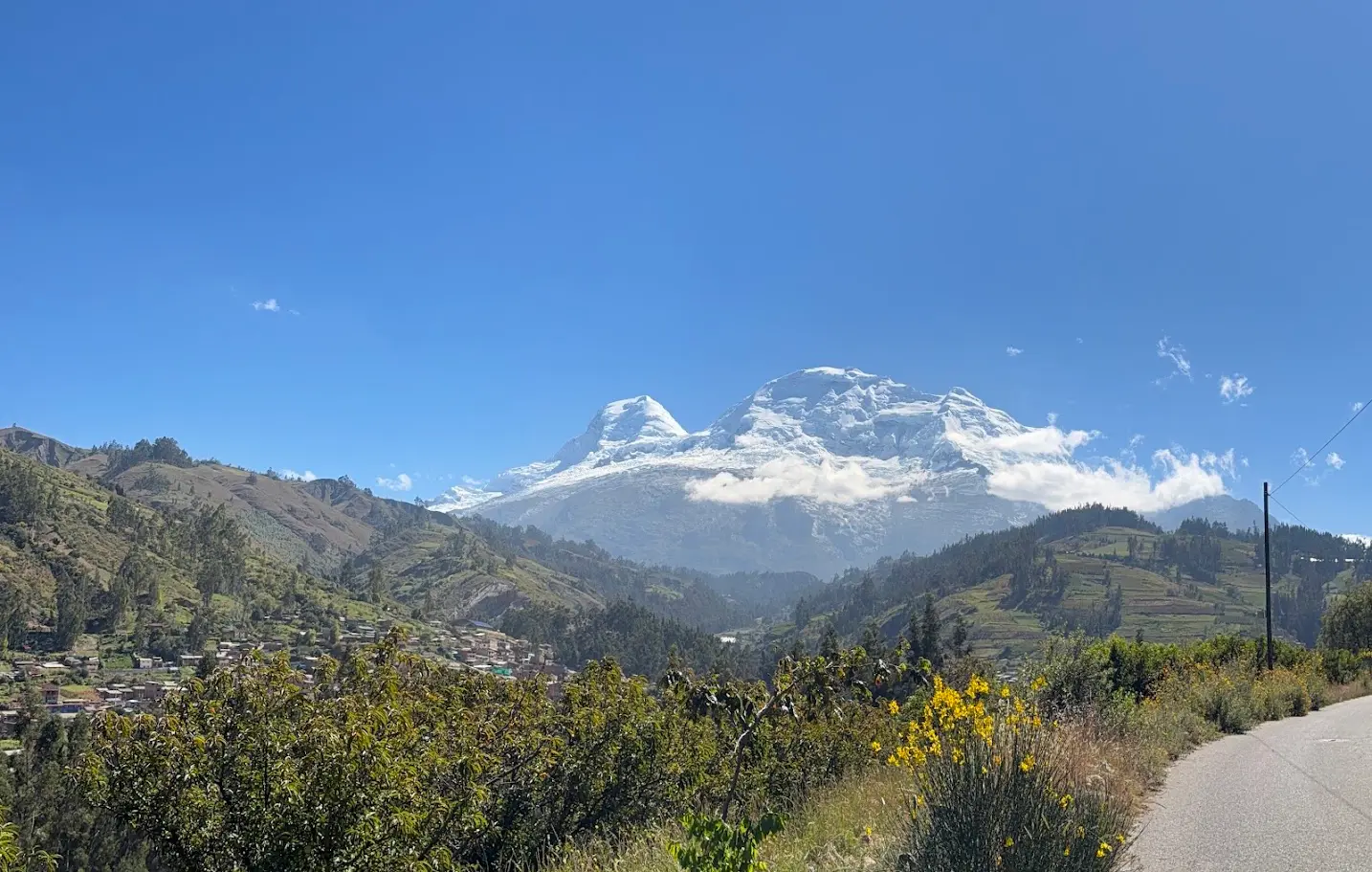
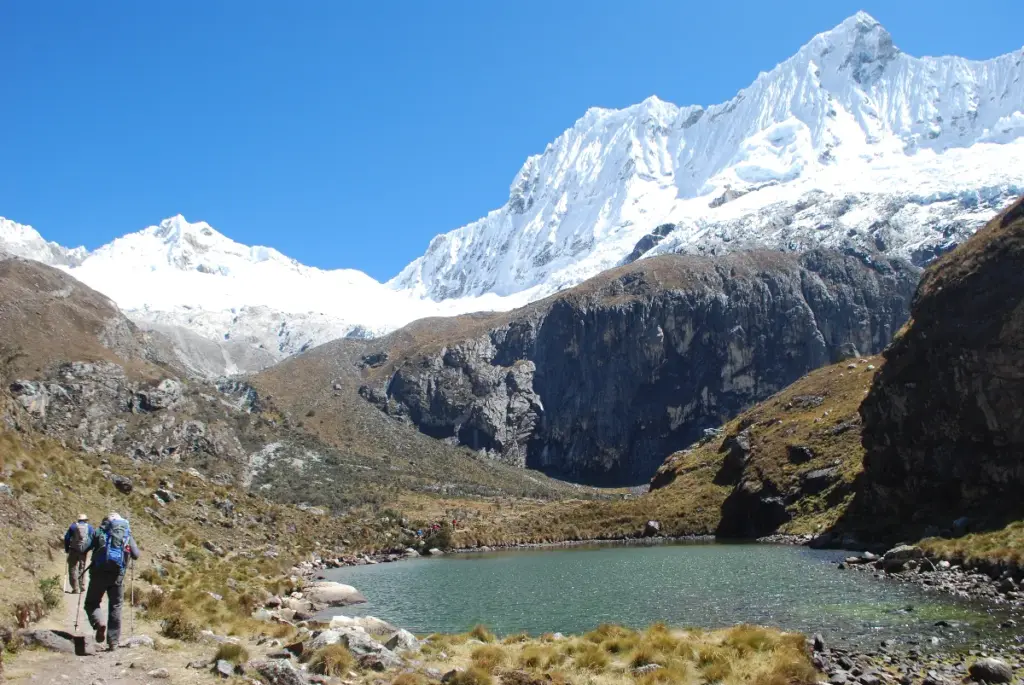
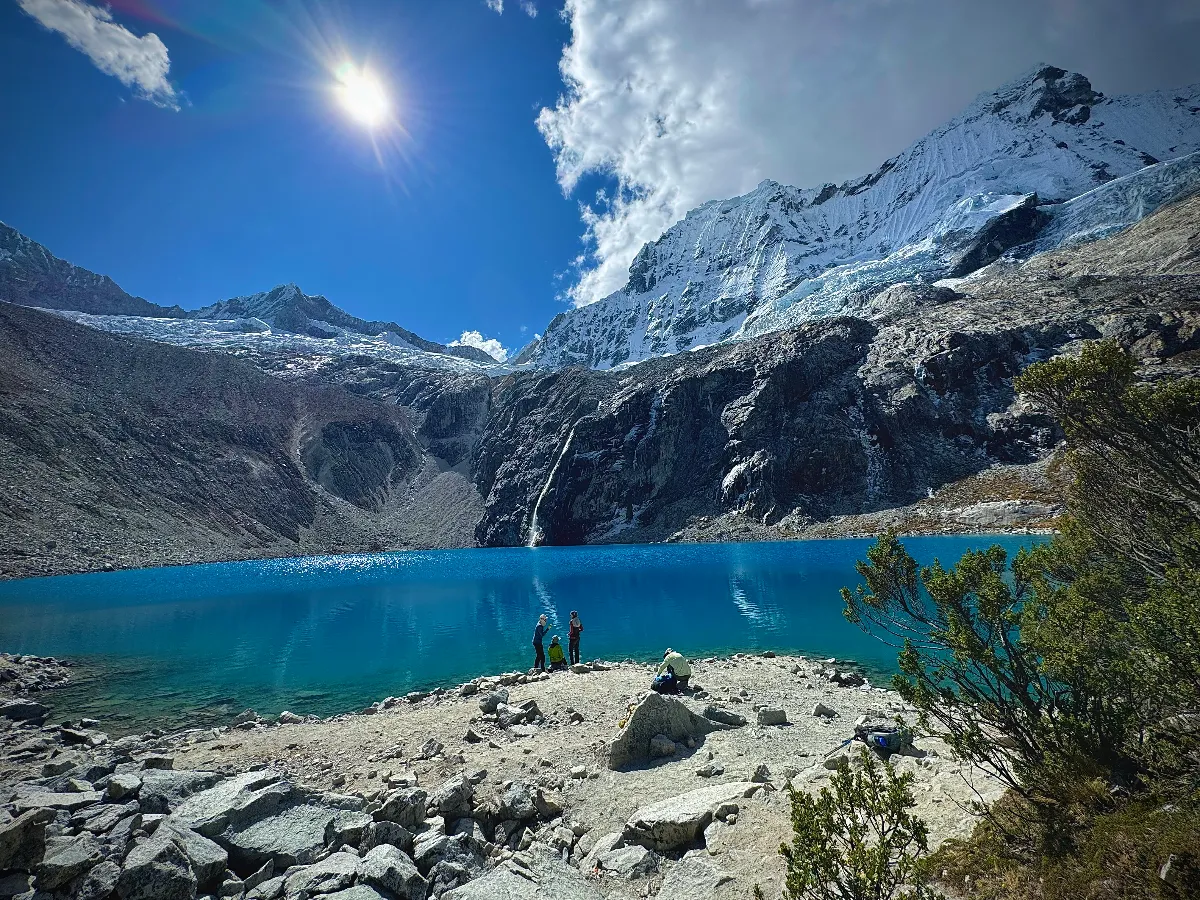
The Cordillera Blanca ("White Mountain Range") is the world’s highest tropical mountain range, and its name is well earned — an almost countless line of snow-capped peaks, many of them visible from the streets of Huaraz. It is a surprisingly compact range: 180 kilometres long and only 20 wide, covering 340,000 hectares. Yet within that small area rise 35 snow peaks above 5,700 metres and another 27 that climb past 6,000.
The highest is Huascarán at 6,768 metres, and nearby stands the perfect ice pyramid of Alpamayo, voted in many publications the most beautiful mountain in the world. Glaciers, turquoise lakes, deep ravines and a wild variety of plant life make a landscape of rare beauty — which is why, in 1985, Huascarán National Park was named a UNESCO World Heritage Site.
From the famous 4 or 5-day Santa Cruz Llanganuco trek to quieter routes like Olleros to Chavín, here are some of our Cordillera Blanca options. Click any trek for the full description — and if you would like to change an itinerary or tailor-make your own, just ask.
Duration
8 Days trekkingBest Season
May - Sept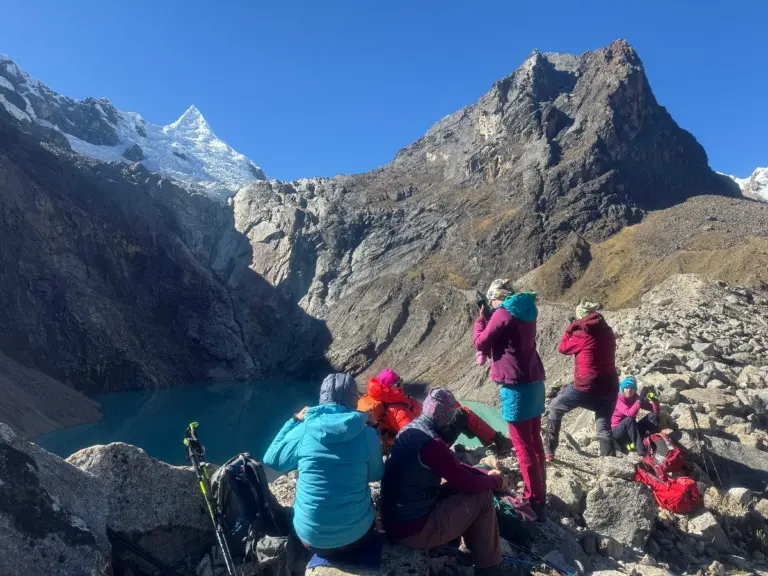
Duration
9 or 10 Days trekkingBest Season
May - Sept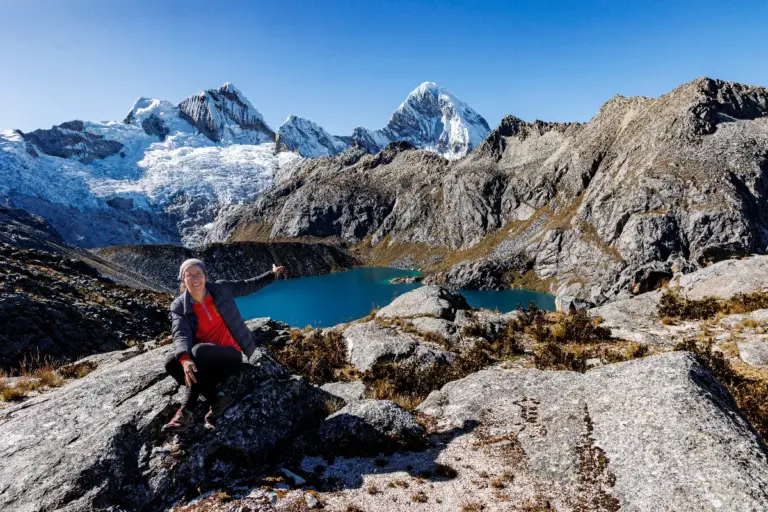
Duration
13 Days trekking (option for 12)Best Season
May - Sept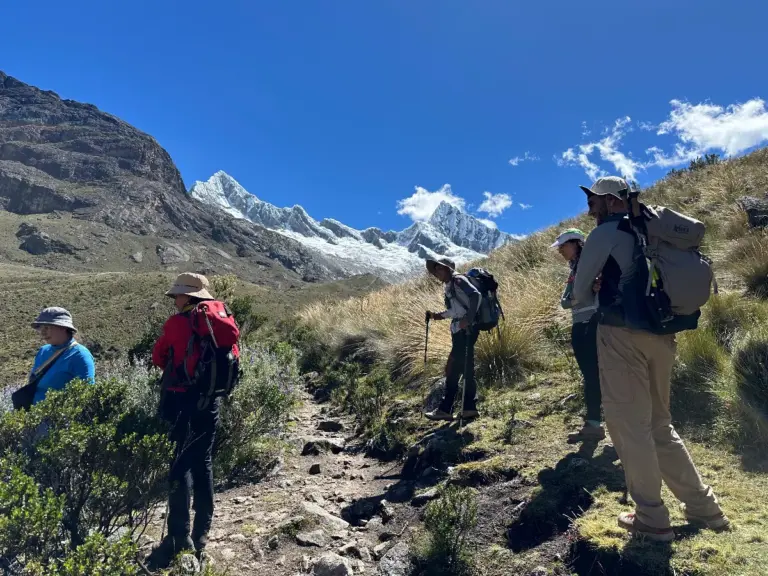
Duration
4 or 5 Days trekkingBest Season
May - Sept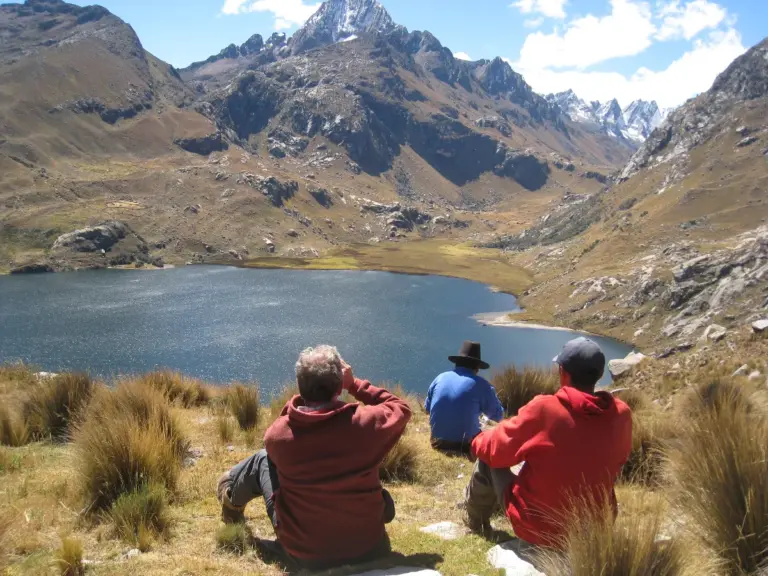
Duration
6 Days (options for 5 or 7)Best Season
May - Sept
Duration
3 Days (option for 4)Best Season
May - Sept
Duration
4 Days (3 if already well acclimatised)Best Season
May - Sept
Duration
4 or 5 Days trekkingBest Season
May - Sept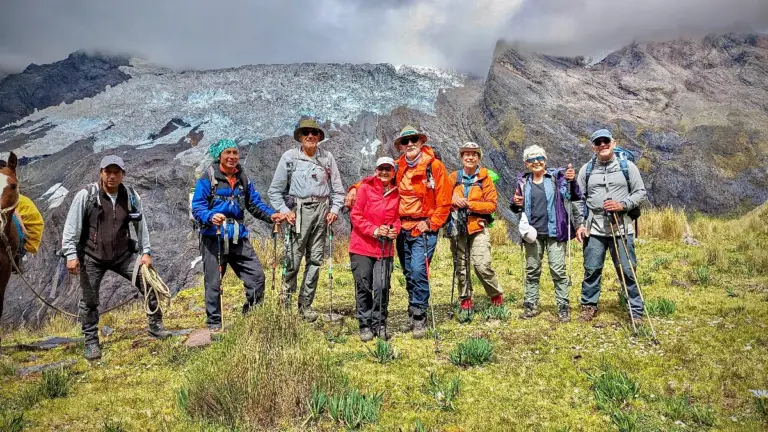
Duration
6 Days trekking (with 7-day option)Best Season
May - Sept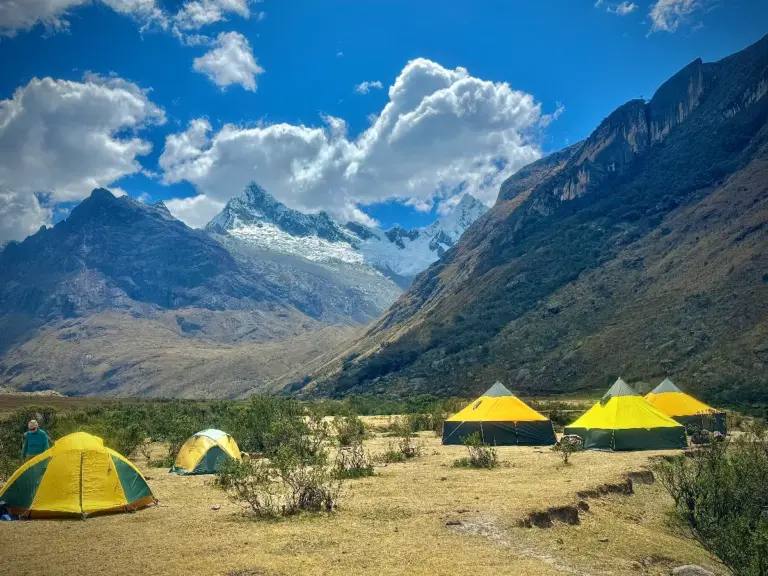
Duration
10 to 12 Days trekking (11-day itinerary shown)Best Season
May - SeptEasy / Moderate: Some almost-flat, easier walking mixed with moderate uphill stretches to a mountain pass that is gentler than the harder climbs. A good place to start.
Moderate: A sustained climb to at least one high pass (up to around 4,800 metres) and the steeper descent back down, mixed with valley walking. Expect some longer days of around six hours.
Hard: For walkers with good fitness and endurance. Several high passes to cross — on some routes almost one a day — over rougher, less-used trails, with long days of 8 to 10 hours (taking your time and enjoying the views).
A note on every Blanca trek: because you are above 4,000 metres throughout, all of these walks should be treated as physically demanding. Trails are often steep, uneven and rocky, and the thin air makes the hiking harder than it would be near sea level. Many clients tell us it was tougher than they expected — and worth every step.
Before any Cordillera Blanca trek, it really matters to be well acclimatised — it is the single best way to avoid altitude sickness. Symptoms range from headache, nausea and breathlessness to extreme tiredness and trouble sleeping, and in severe cases altitude illness can become dangerous. We never rush this part.
We strongly recommend arriving in Huaraz (3,090m) at least 2 full days (3 nights) before your trek departs, so you can recover from the journey and do a day hike or two to higher ground. We are happy to suggest good acclimatisation walks, guide you on them, or simply help with the transport if you would rather go at your own pace.
June, July & August: The driest, most settled months in the Peruvian Andes, with the best chance of clear skies and good hiking weather. They are also the busiest on the trails, and nights at camp can be sharply cold.
May & September (the shoulder months): May comes at the end of the rainy season: the odd shower is still possible, but everything is fresh and green and the wild flowers are out. September sits at the end of the dry season — often still good for trekking, and quieter, with fewer large groups around.
We are frequently asked what is the difference between the two regions or which is better for trekking in. Both areas are very spectacular but different and it is impossible to compare them. Both have amazing snow capped mountains and glaciers that you hike by very close to & both have continuous breath-taking hikes up to high passes with incredible views on most days of the treks.
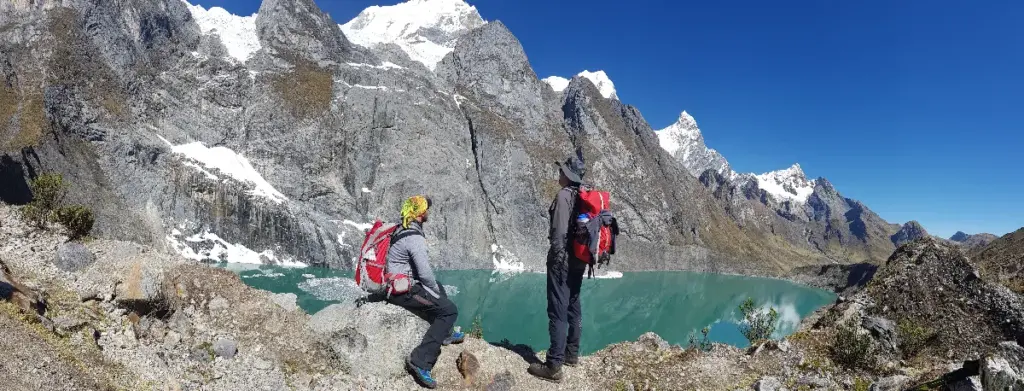
Write to Anne Thomson and our team in Huaraz with your group size, your dates and the time you have. We will reply with honest advice and a route built around you.
Your privacy
A quick question before you planWe would like to count visits with Google Analytics, to learn which treks people read about and which pages need work. Nothing is measured unless you agree, and you can change your mind at any time from the link in the footer. Privacy policy